Budget Bathroom Fixture Selection Without Overspend
Enhance Your Home: Essential Facts Regarding Home Renovation Work for Every Homeowner
Homeowners often seek options to upgrade their residences through home improvement projects. Such undertakings may vary starting with kitchen improvements to complete home renovations. Being aware of the possibilities is vital for choosing intelligently. Moreover, one must consider tangible aspects including financial planning and contractor selection. As homeowners commence on this journey, they might encounter unforeseen difficulties. The secret to a great renovation lies in careful planning and implementation. What steps should be taken next?
Grasping the Diverse Forms of House Improvement Projects
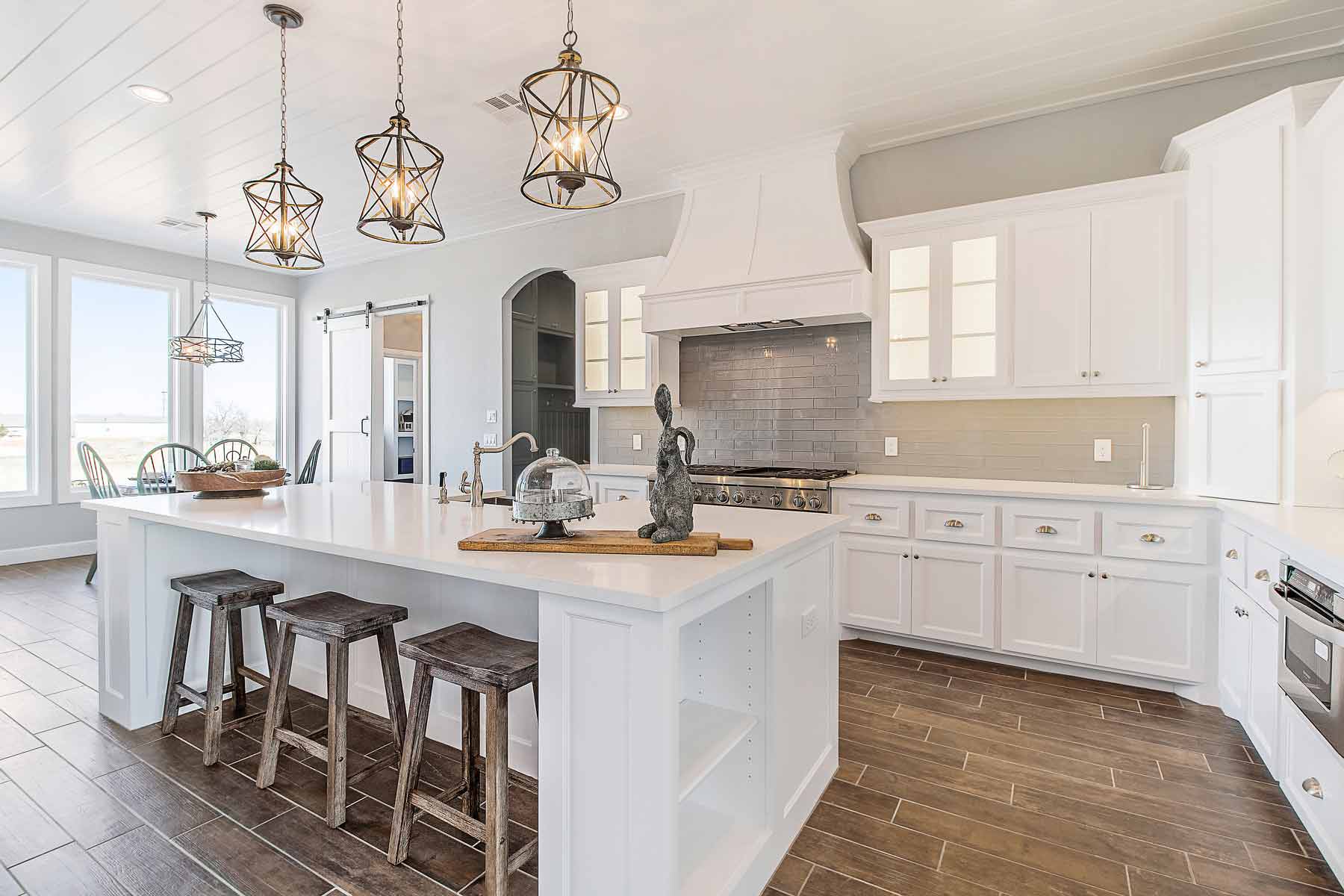
When homeowners consider renovating their homes, they often encounter many different types of services suited to various requirements and preferences. These options can be widely classified into several types, each focusing on particular areas of home improvement. Kitchen remodeling focuses on modernizing fixtures, storage units, and floor plans to boost practicality and the look. Renovating the bathroom usually includes improving the fittings, the ceramic work, and organizational units for greater ease and visual flair.
Complete residential remodeling includes extensive modifications to the entire house, frequently involving changing the structure to make the most of the space and layout. Outdoor renovation projects, in contrast, focus on boosting curb appeal, addressing siding, roofing, and landscaping. Furthermore, specific options such as completing the basement and attic conversions help residents make the most of unused areas. All these service types delivers specific perks, enabling homeowners to choose options that match their goals for their home life. Grasping these differences is vital for deciding intelligently during the renovation process.
Setting a Realistic Budget for Your Remodeling Project
How do property owners make certain their renovation work stays financially viable? Creating a sensible budget is necessary. Homeowners should begin by determining their fiscal limits, covering savings and possible funding sources. This first stage will help determine the funds available for the updating project while maintaining other fiscal obligations.
Afterward, those undertaking the remodel should research the costs associated with their desired renovations, including materials, labor, and surprise expenses that tend to crop up. Creating a detailed list of priorities aids in separating necessities from non-essential items, allowing for adjustments if the budget tightens.
It is smart to incorporate a reserve fund, usually about 10-20% of the overall cost, to account for surprise expenditures. Periodically examining and tweaking the budget as the updating work progresses can also help maintain financial control. Ultimately, a well-planned budget does more than just confirm the project can be done but also improves the entire renovation process for those living in the home.
Choosing the Right Contractor to Suit Your Project.
Selecting the right contractor can greatly impact the outcome of an updating effort. Property owners ought to start by conducting thorough research, asking for referrals from friends, family, or internet reviews. It is essential to confirm documentation, such as licenses, insurance, and surety bonds, to establish credibility.
Once potential contractors are identified, homeowners should request detailed estimates and timelines, making it possible to compare options knowledgeably. Discussions reveal their approach to dialogue and their level of expertise, which are crucial for working together effectively.
Furthermore, examining previous work via portfolios or referrals shows the builder's standard of work. Property owners must also ask about guarantees or assurances, indicating the builder's certainty about their services.
In the end, choosing a professional who matches the homeowner's goals, finances, and schedule creates a better renovation journey, ensuring the work fulfills requirements and transforms the living space effectively.
Structuring and Laying Out Your Perfect Area.
As homeowners envision their ideal spaces, careful planning and thoughtful design are crucial elements of a successful remodeling project. The beginning stage requires reviewing existing necessities and future desires, to gain a complete comprehension of the area's utility. Owners must take into account functionality, visual appeal, and personal style, making sure the design captures their individual tastes.
Next, establishing a thorough budget is crucial. This budget should cover supplies, workforce costs, and contingency funds. Engaging with design professionals can offer helpful perspectives, helping to optimize the space while sticking to budgetary constraints.
Including features such as natural light, spacious designs, and eco-friendly supplies can improve the final result. Finally, visualizing the project through mock-ups or 3D visualizations can aid in refining ideas prior to construction. By thoughtfully tackling the design and planning stage, homeowners can design a welcoming, practical area suited to their way of life.
Navigating Permits and Regulations in Residential Projects
Grasping the intricacies of permits and rules can be challenging for homeowners embarking on a renovation. Every local government sets particular guidelines that dictate what is permissible during renovations, often influenced by zoning laws, construction standards, and safety standards. Homeowners must familiarize themselves with local regulations so they don't incur hefty fees or project delays.
In most cases, getting permits is mandatory for substantial modifications, such as modifying load-bearing elements or new wiring installations. This process frequently requires submitting blueprints for approval and may require inspections at various stages.
Engaging a knowledgeable contractor can make this procedure easier, as they are typically experts in municipal rules and can help manage the documentation. Owners must also maintain clear communication with local building departments to verify legality throughout the project. By understanding and maneuvering through these requirements, homeowners can achieve their remodeling goals while guaranteeing that the work is safe and legal in their renovations.
Common Queries
How Much Time is Needed for a Typical Remodeling Job?

A standard home renovation generally requires between three to six months, contingent upon the extent of the project, size of the home, and material lead times. More involved renovations might need extra time for completion.
What's the best way to avoid typical errors you should steer clear of while undertaking a remodel?
Typical pitfalls during remodeling include miscalculating costs, neglecting permits, overlooking timelines, failing to communicate effectively with contractors, and not considering long-term functionality. Awareness of these pitfalls often results in a smoother, more successful remodeling experience.
How should I go about choosing the right materials for the job?
Picking the best materials requires assessing their resilience, the look and feel, and financial limits. Looking into different products, consulting professionals, and considering maintenance needs will significantly help in making informed decisions, ensuring the project aligns with personal and functional requirements.
Will I be able to reside in my property throughout the construction phase?
You are able to stay in their home during renovations, but it could be uncomfortable. Thorough preparation, maintaining open dialogue with your builders, and setting aside certain zones for daily use can help minimize disruption while the work is underway.
What kind of coverage should be provided from the renovation company?
You should anticipate receiving detailed article warranties covering workmanship, the products installed, and key building elements, which usually last between one to ten years. It is essential to examine the exact provisions with contractors to know the full extent of the guarantee and its restrictions.